Analisis Penerapan Kurikulum Berbasis Cinta: Antara Harapan dan Kenyataan
Keywords:
Love-Based Curriculum, Character Education, Islamic Junior Secondary School, Humanistic Learning, Student PerceptionAbstract
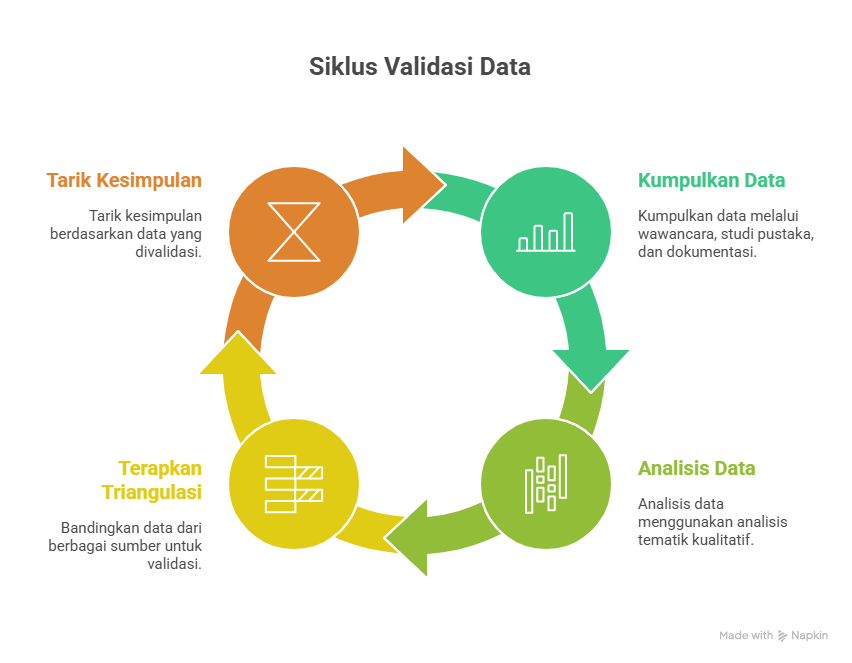
This study aims to analyze the implementation of the Love-Based Curriculum (LBC), examine the alignment between curriculum policy expectations and classroom realities, and explore seventh-grade students’ perceptions of love-based learning practices at MTs. Darul Lughoh wal Karomah Kraksaan Probolinggo. The research employed a qualitative approach using a case study design combined with a literature review. Data were collected through semi-structured interviews with the principal, teachers, and seventh-grade students, supported by document analysis and relevant academic literature. The data were analyzed using thematic analysis through data reduction, coding, and inductive conclusion drawing, with source triangulation applied to ensure data validity. The findings indicate that the Love-Based Curriculum has been substantively implemented in daily pedagogical practices through persuasive, empathetic, and humanistic teaching approaches, although it has not yet been systematically integrated into formal instructional planning and assessment tools. A noticeable gap exists between policy expectations and classroom practices, particularly in lesson planning and assessment, which remain predominantly focused on cognitive outcomes. From the students’ perspective, love-based learning is perceived positively, as it fosters psychological safety, enhances learning motivation, and improves social relationships among students. This study concludes that the Love-Based Curriculum holds significant potential as a character education approach in Islamic junior secondary schools; however, its effectiveness depends on stronger operational policy support, continuous teacher training, and explicit integration of love-based values into the formal learning system
Downloads
Downloads
Published
Issue
Section
License
Copyright (c) 2025 Muhammad Fakhrul Islam Mh, Muhammad Imron, Fardila Silvia, Lasiatul Qarimah, Lailatul Qomariah, Ahmad Fauzi (Author)

This work is licensed under a Creative Commons Attribution 4.0 International License.
This journal provides immediate open access to its content under the Creative Commons Attribution 4.0 International License (CC BY 4.0). This license permits unrestricted use, distribution, and reproduction in any medium, provided the original work is properly cited.