Integrasi Teknologi Digital Dalam Desain Pembelajaran Pendidikan Agama Islam: Teori dan Praktik
Keywords:
Digital Integration, PAI Design, Literature Study, Theory and PracticeAbstract
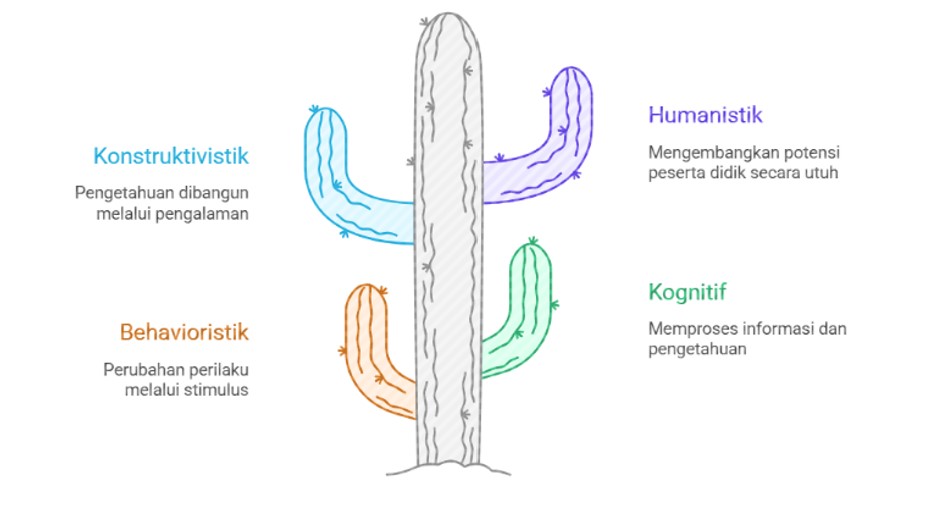
The rapid advancement of digital technology requires Islamic Religious Education (PAI) to adapt in order to remain relevant and effective in shaping students’ character, morality, and piety. This study aims to explain the theories used in integrating digital technology into the design of PAI learning and its application in modern educational contexts. The research employs a library research (literature study) method with a qualitative approach and descriptive analysis, focusing on theories, learning models, implementation, and challenges in integrating digital technology within PAI. The findings indicate that learning theories such as behaviorism, cognitivism, constructivism, and humanism serve as essential foundations in developing PAI learning. Each theory has its own strengths in shaping students’ knowledge, attitudes, and behavior; therefore, teachers need to apply them flexibly. The integration of digital technology in PAI strengthens these theories through the use of videos, learning management systems (LMS), interactive quizzes, and other digital media, making the learning process more engaging, contextual, and relevant for digital-native generations. Despite its numerous benefits, the implementation of technology in PAI faces several challenges, including low digital literacy among teachers, limited facilities, and concerns over the potential decline of religious values. Proposed solutions include teacher training, infrastructure support, collaboration between parents and schools, and the cultivation of Islamic-based digital ethics.
Downloads
Downloads
Published
Issue
Section
License
Copyright (c) 2025 Muhammad Fakhrul Islam Mh, Ainur Rofiq Sofa (Author)

This work is licensed under a Creative Commons Attribution 4.0 International License.
This journal provides immediate open access to its content under the Creative Commons Attribution 4.0 International License (CC BY 4.0). This license permits unrestricted use, distribution, and reproduction in any medium, provided the original work is properly cited.