
Sistem Pengelolaan Penerimaan Peserta Didik Baru di SMPN 1 Galis Pamekasan
Keywords:
Student Admission Management System, New Student Enrollment Process, Educational Administration, Student Recruitment Strategy, School Management PracticeAbstract
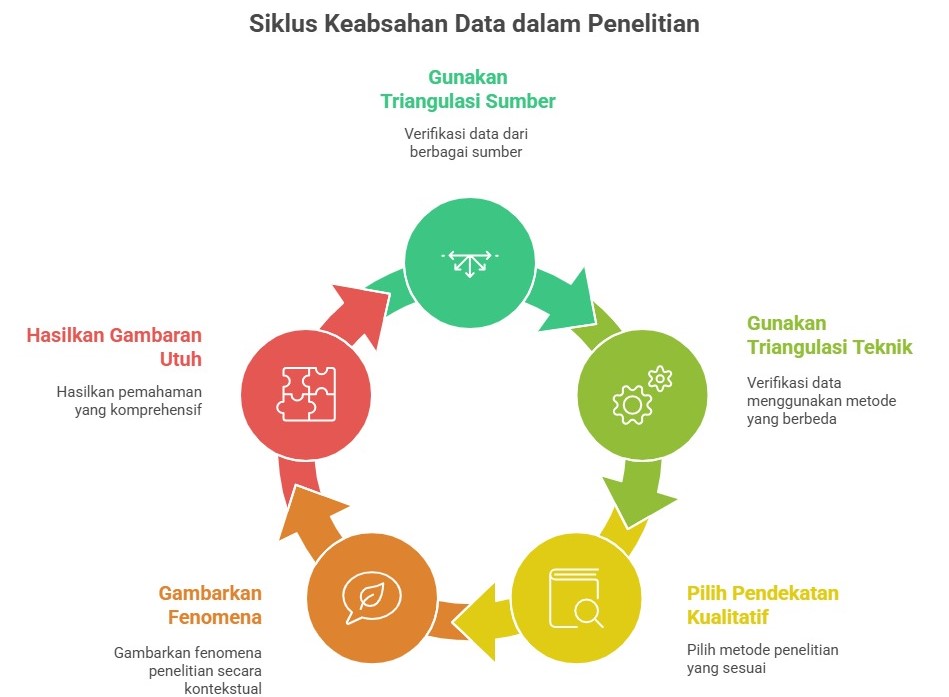
This study aims to investigate the management system of new student admission at SMPN 1 Galis Pamekasan. The increasing number of prospective students and the need for efficient, transparent, and accountable admission processes have become significant challenges for educational institutions. The study employs a qualitative methodology with a descriptive qualitative approach, utilizing data collection techniques through interviews, observations, and documentation. Data validity is ensured through source and technique triangulation. The findings reveal that the new student admission management system at SMPN 1 Galis Pamekasan begins with planning through the initial stage of forming the PPDB committee. The implementation phase is conducted without selection processes but uses a promotion system where all registered students are directly accepted, concluding with evaluation activities related to PPDB implementation. Supporting factors include individual capabilities, infrastructure facilities, and community support, while inhibiting factors encompass team cohesion issues and high competition levels. Solutions to overcome existing obstacles include providing free facilities and delivering excellent services. The study concludes that the admission management system requires continuous improvement in planning, implementation, and evaluation phases to enhance effectiveness and efficiency. These findings contribute to understanding admission management practices in rural educational contexts and provide recommendations for policy development in student admission systems
Downloads
Downloads
Published
Issue
Section
License
Copyright (c) 2025 Irodatul Jannah, Kacung Wahyudi (Author)

This work is licensed under a Creative Commons Attribution 4.0 International License.
This journal provides immediate open access to its content under the Creative Commons Attribution 4.0 International License (CC BY 4.0). This license permits unrestricted use, distribution, and reproduction in any medium, provided the original work is properly cited.